
Launch spikes break allocation, provider quotas and matchmaker queues before they break game servers. Here is how to plan, test and spread capacity so the first wave of players gets into matches.
Agones is free software, but running it is not. Here is what self-hosting Agones involves, what it costs once you count engineering time, and how Gameye, AWS GameLift and Edgegap compare.
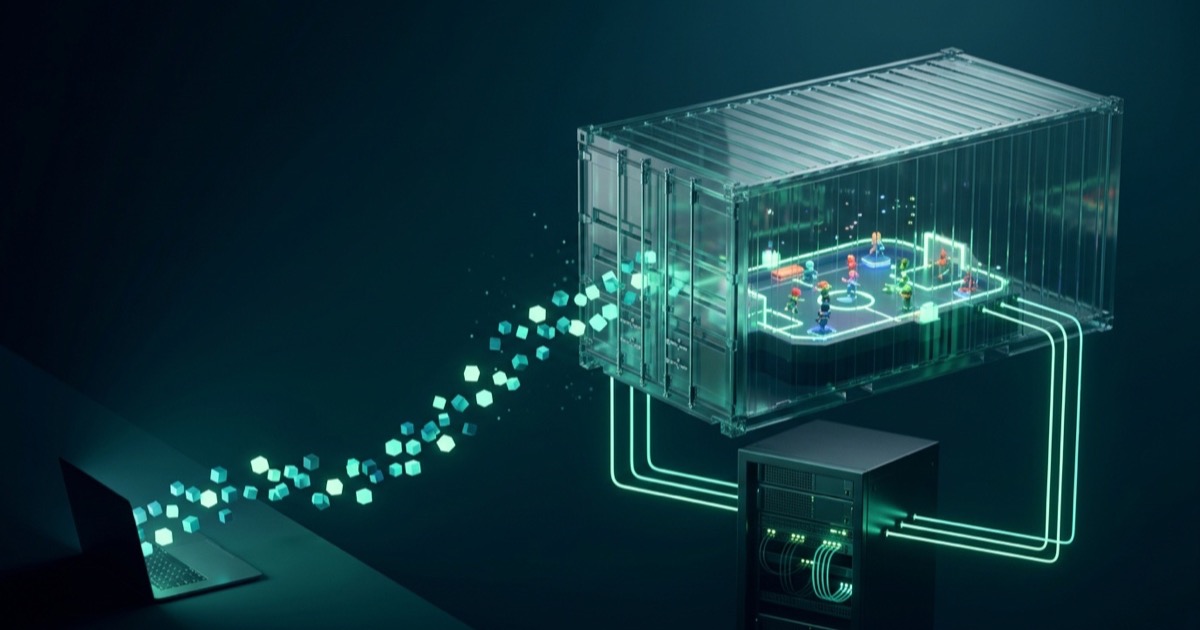
A Mirror or FishNet dedicated server is a headless Linux build of your Unity project. Here is how to build it, containerize it, push it to a registry and start sessions from your matchmaker.

Bare metal is the better default for multiplayer game servers. Cloud is the better overflow. Here is the comparison on clock speed, cost per player and egress, and when pure cloud still makes sense.
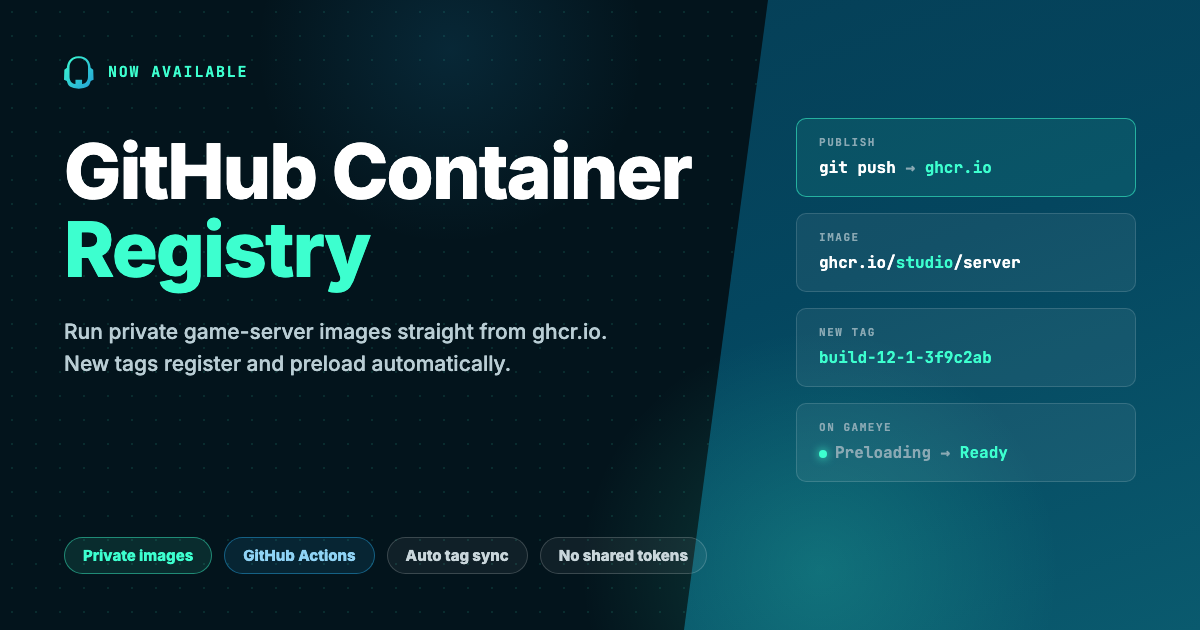
Run private game-server images straight from GitHub Container Registry. Publish from GitHub Actions, give Gameye Read access to the package, and every new tag you push registers and preloads automatically.
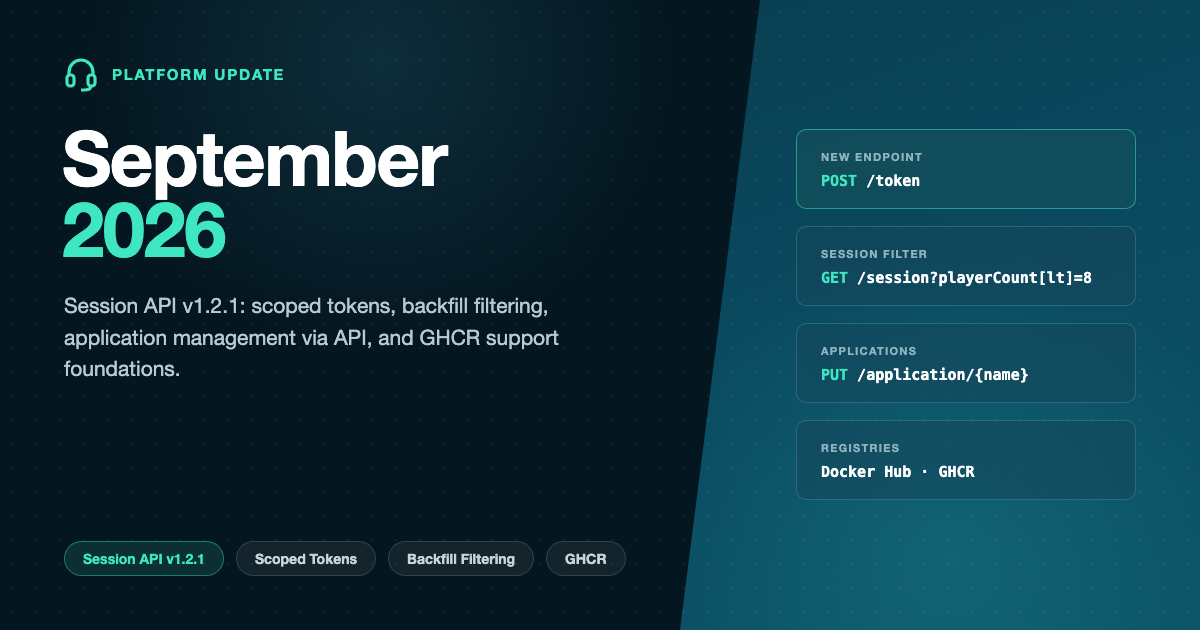
Session API v1.2.1 expands the public surface with scoped token delegation, backfill filtering, and full application management via API.

Seventeen endpoints documented. New additions include scoped token delegation, session filtering with player-count ranges, live log streaming, post-session artifact downloads, and full application management via the API.
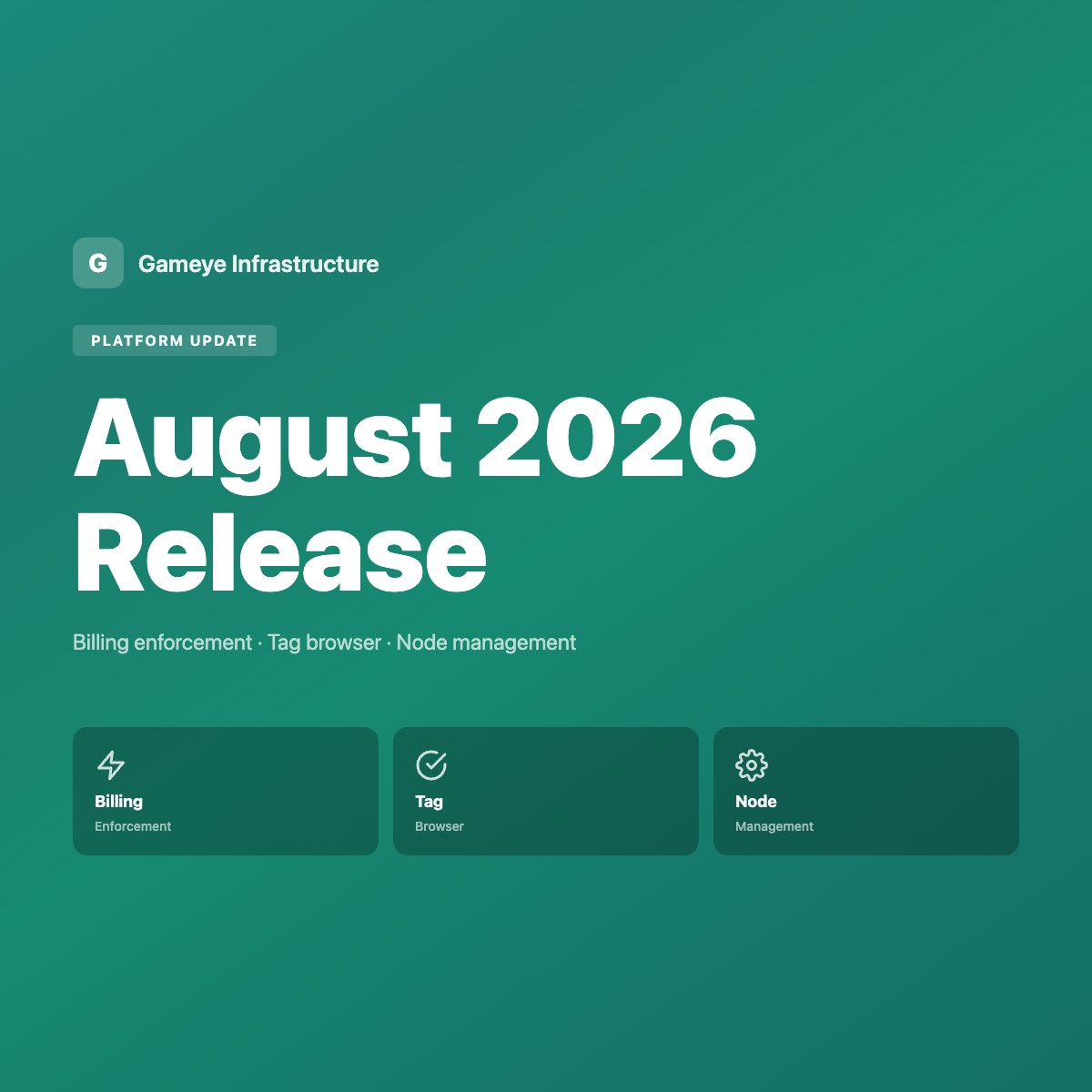
Billing enforcement and reconciliation, Docker Hub tag browsing, node management improvements, and TLS port bindings.
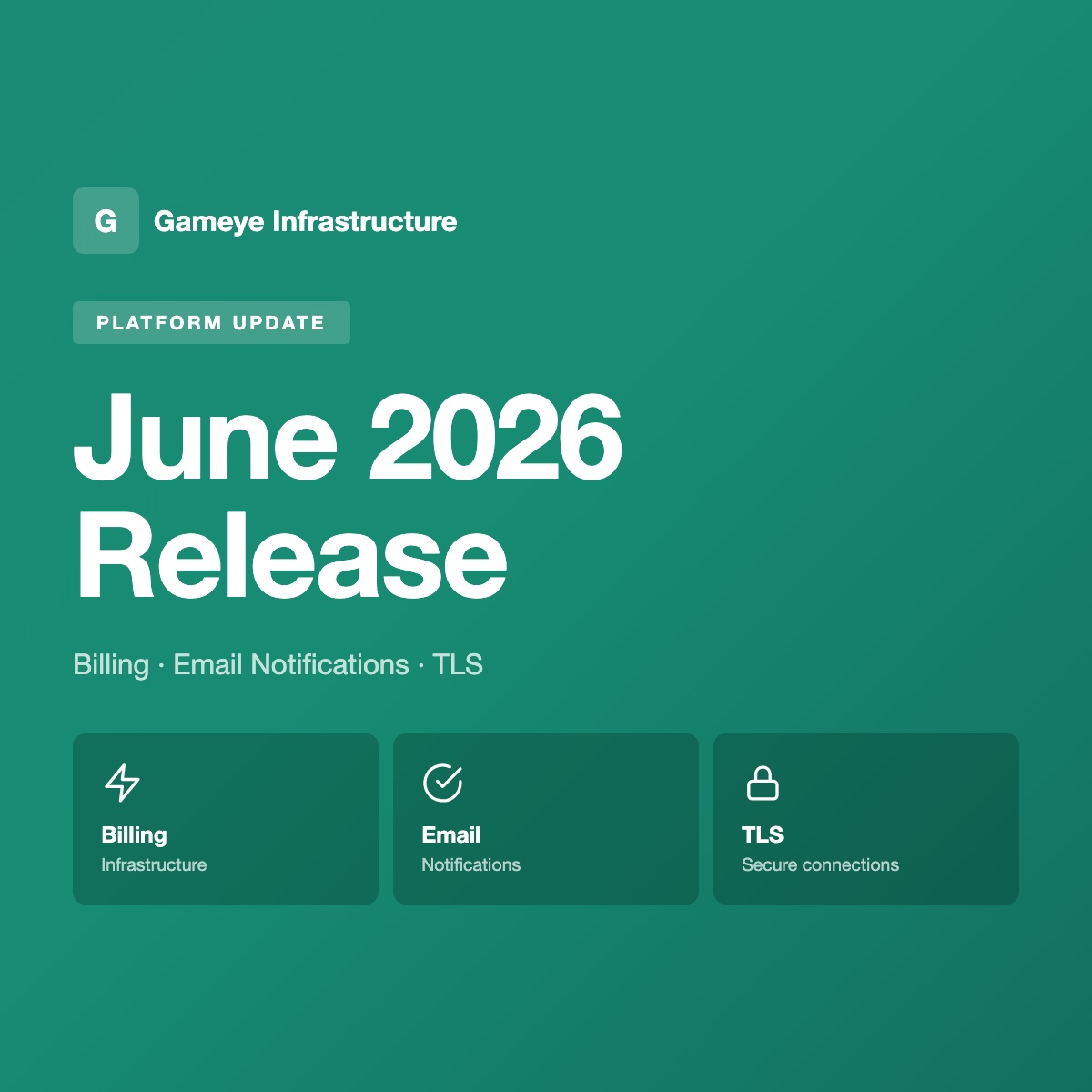
Billing infrastructure, email notifications, TLS for secure connections, and secrets encryption.
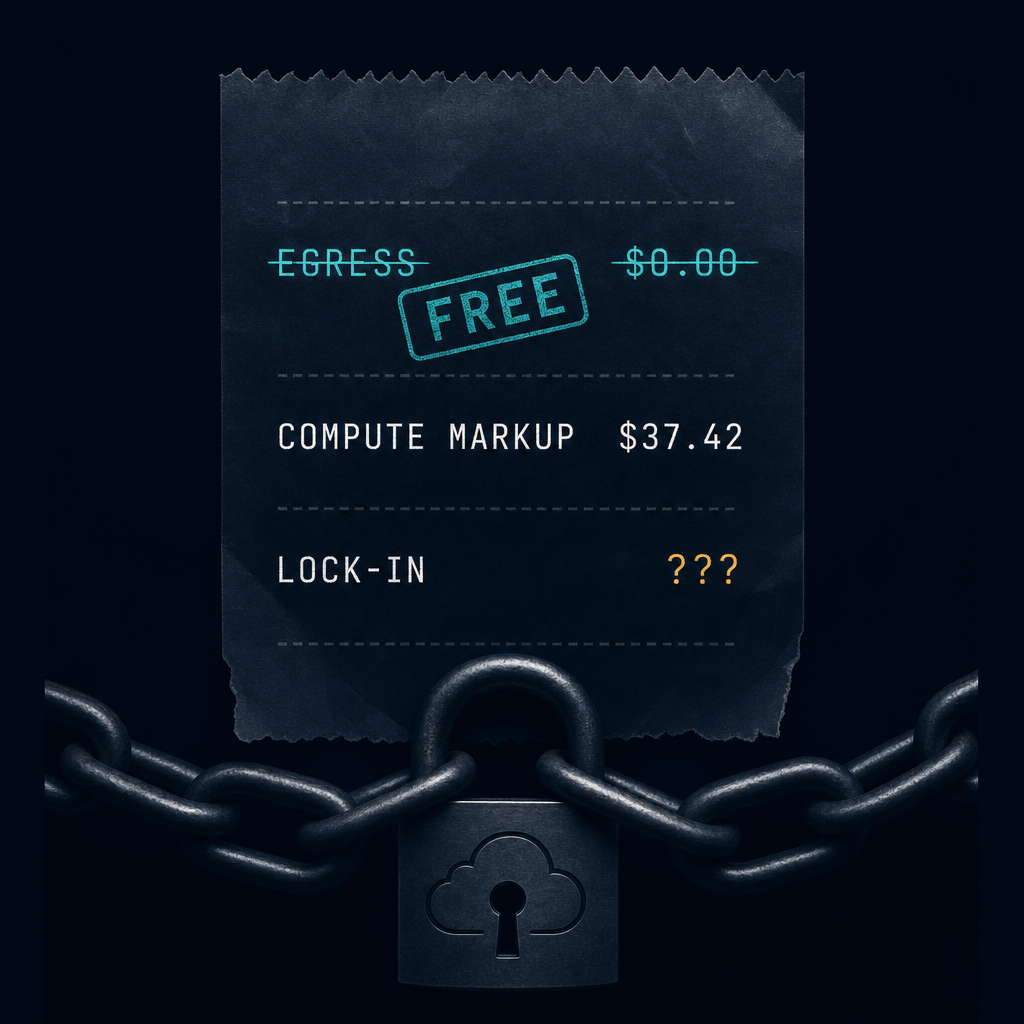
On June 15, 2026, AWS made network bandwidth free on GameLift gen-6+ instances. It's a genuine win that kills the most unpredictable line on the bill — but it comes with one catch most coverage skips: it only applies to AWS GameLift's own instances. If you self-host on EC2, you still pay.
Export a Godot 4 dedicated server as a headless Linux build, package it in Docker, and run it on Gameye — from ENetMultiplayerPeer to live multiplayer sessions.
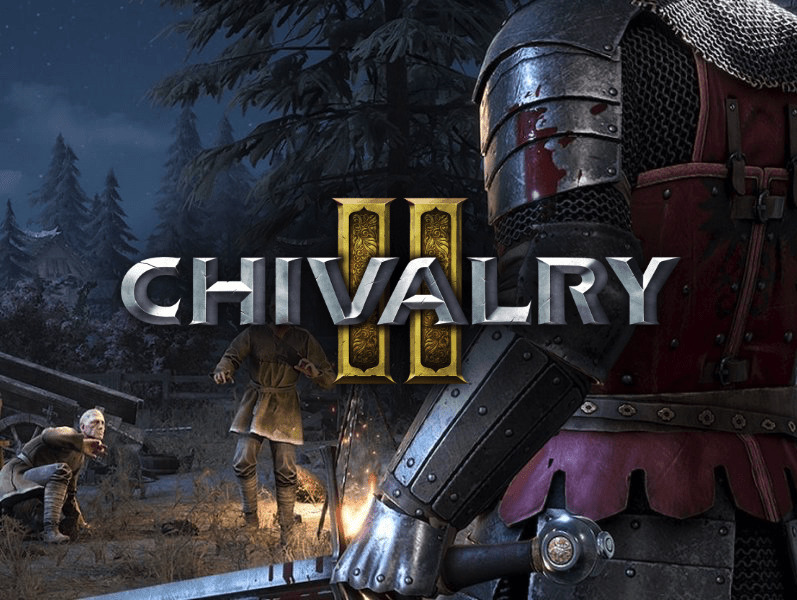
Chivalry 2 turns five this month. We've been running its servers since before launch — and six years in, we still are.
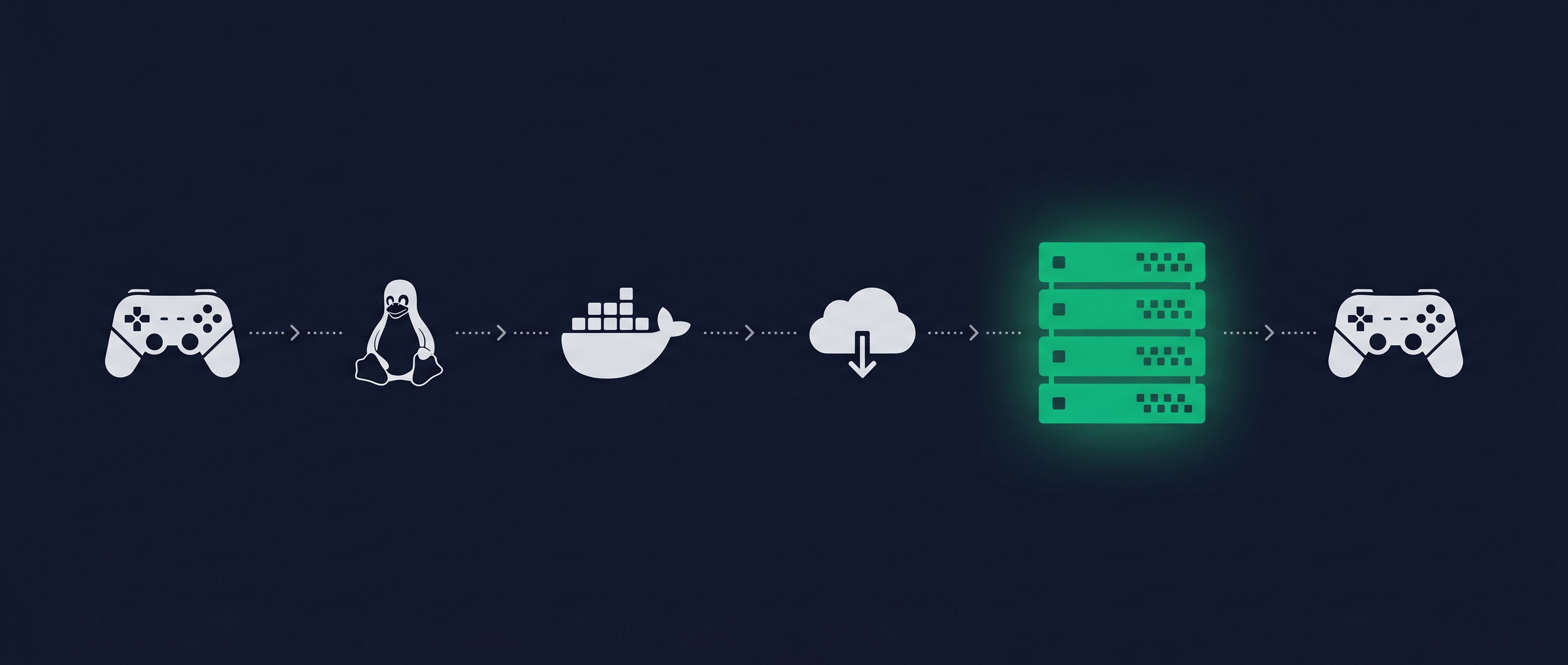
A step-by-step walkthrough taking Photon Fusion's SimpleFPS from local build to Gameye-hosted dedicated server, covering Docker, the Session API, and a Quick Play broker.
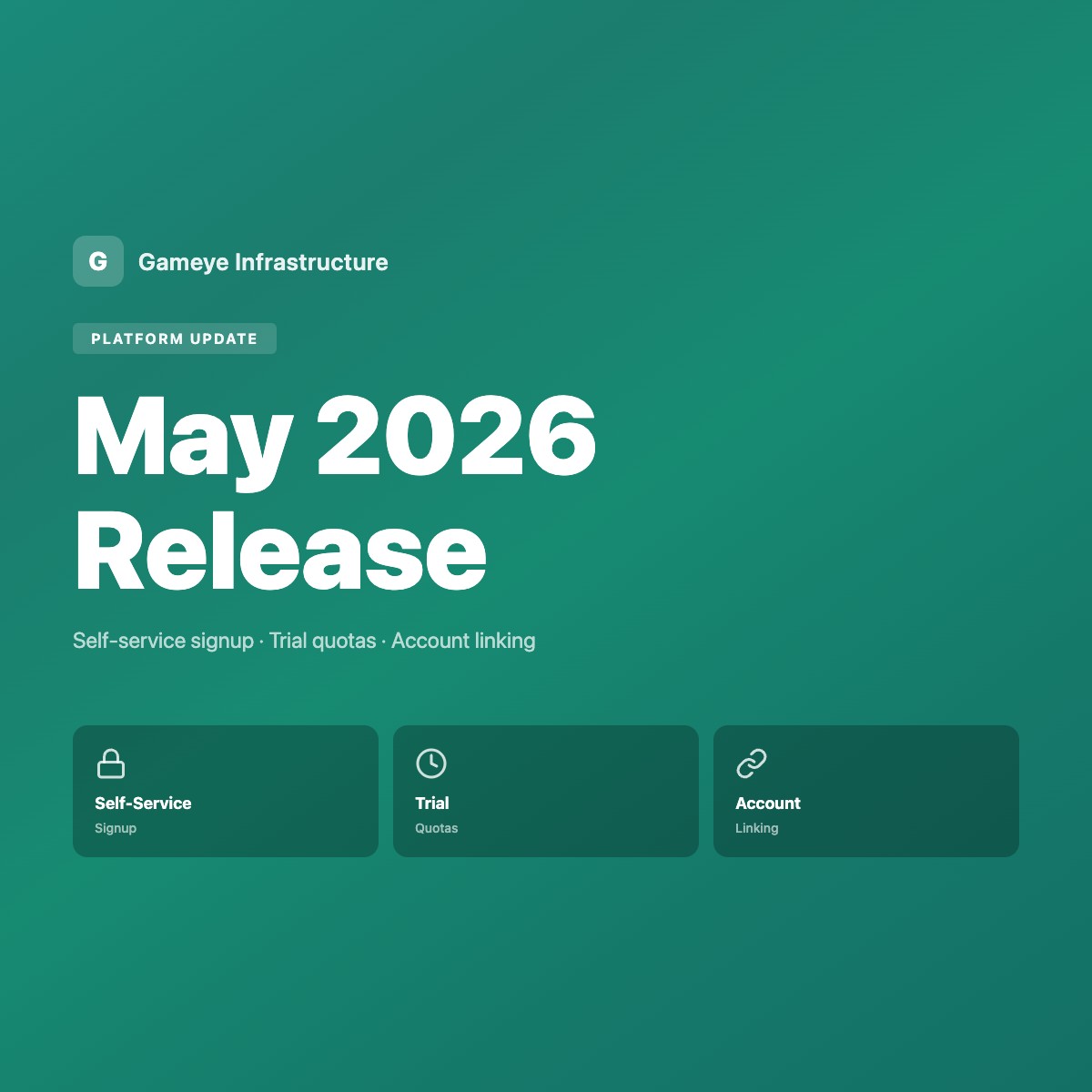
Self-service signup with Auth0, trial quotas and time-limited sandbox access, account linking, OOM and exit code visibility, and a round of admin panel improvements.
Unity Matchmaker, Relay, Lobby, and Distributed Authority keep working after the Multiplay shutdown. Here's exactly what changes in your stack — and what you can leave alone.
Unity Matchmaker now documented and supported, warm pools live with the first production customer, and a round of reliability fixes across the admin panel.

Unity Multiplay shut down March 31, 2026. What happened, how the Rocket Science handoff is going, and where studios are actually moving their game servers.
Warm pools, tags management, a rebuilt container details page with live metrics and logs, and a new at-a-glance dashboard. What shipped in March 2026.
Package a UE5 dedicated server as a Docker container and run it on Gameye — from Linux headless build to live multiplayer sessions. Covers UE5.3–5.7.
Game server orchestration automates dedicated server management — starting sessions on demand, placing them near players, tearing them down at match end.

Two architectures for placing dedicated servers: regional control vs. platform-decided placement. Here's how each works and when to choose one.
Unity Multiplay ended March 31st. Hathora ended May 5th. Two shutdowns, two tight deadlines, hundreds of live games caught in the middle. Here's what to do.
Admin Panel v3.0 with Cost Estimator, orchestrator stability fixes, and a full new documentation pass including migration guides for Hathora and Multiplay.

Hathora shut down May 5, 2026. Compare Gameye vs GameFabric — matchmaker integrations, SDK requirements, pricing, and infrastructure.
Admin Panel v2.5.0 and orchestrator improvements focused on stability, throughput, and day-to-day operator experience.
A CTO-oriented migration framework for moving from Unity-hosted dedicated servers to Gameye orchestration with low operational risk.
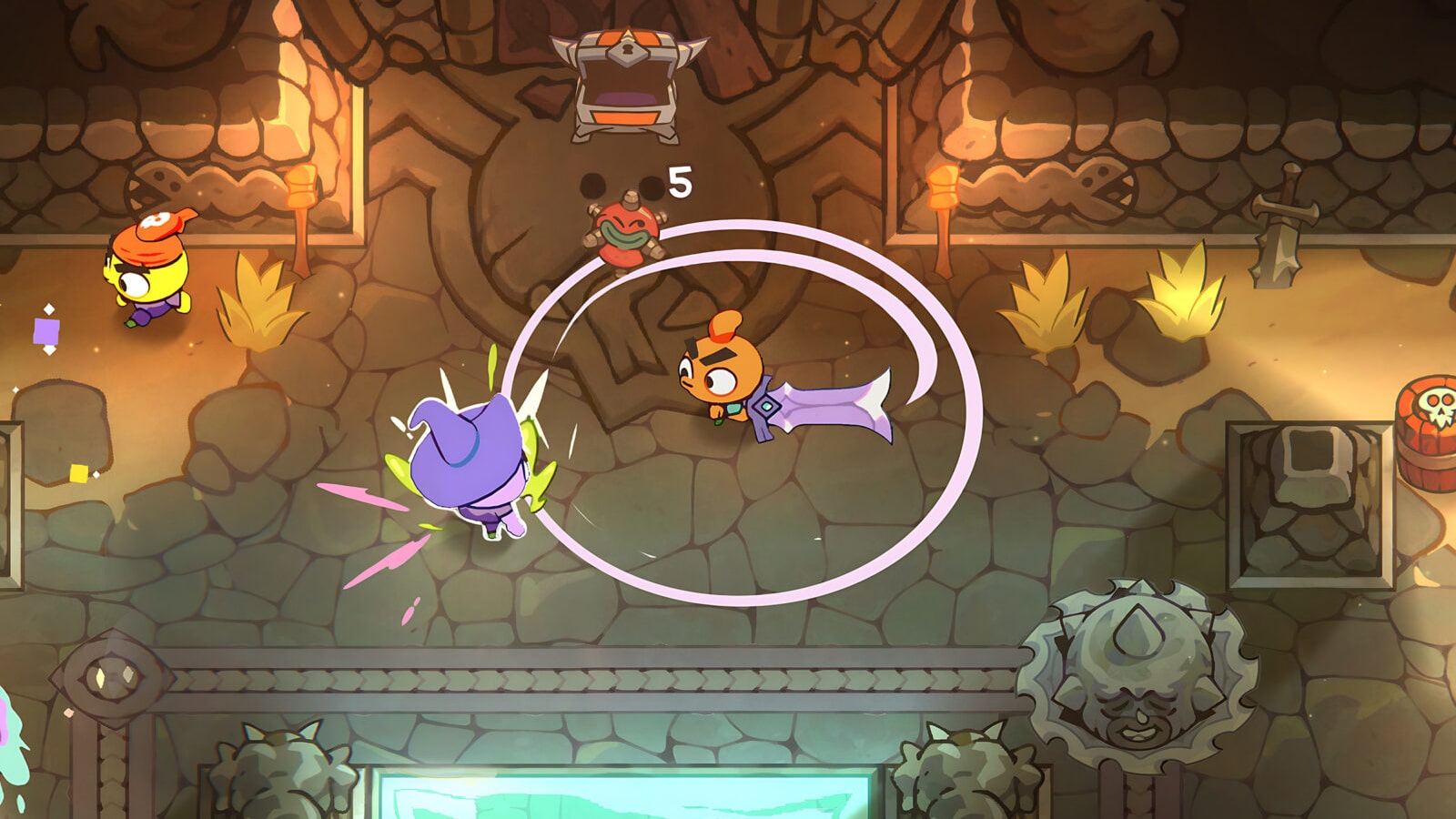
Nubs!: Arena saw roughly 3x expected launch demand. The key lesson was operational flexibility over perfect forecasting.

Beyond gameplay, multiplayer success depends on infrastructure operations, automation, live updates, team execution, and outage prevention.